

Setting Powder & Face Powder
Good makeup starts with the right finishing touch. Flower Knows setting powder helps set your base and refine the look of your makeup, with loose, pressed, and baked formulas to explore. Looking for a versatile face powder for your everyday routine? Find a finish that works with the way you like to wear your makeup, from a soft, natural look to a more polished finish.
A loose setting powder is easy to apply across larger areas of the face, while pressed powder is compact and convenient for touch-ups on the go. Prefer a translucent setting powder? Check each product's shade details to find the right option for your skin tone and makeup routine.
The right powder can help bring your base together. A baked powder offers another formula to explore, while a finishing powder can help give your makeup a more polished look. Prefer a softer-looking finish? Look for product descriptions that mention blurring or a soft-focus effect. If you want to reduce visible shine, check each formula's details to find the finish that works for you.
Complete your base routine with Foundation & Concealer, then set your makeup where you need it. Add definition with Contour & Highlighter, and browse Makeup Brushes for tools to apply and blend your products.
11 produkte
-

 Snow Ballet Serum-Infused Pressed Powder RefillSnow Ballet Serum-Infused Pressed Powder Refill
- Regulärer Preis
-
$15.00 - Regulärer Preis
-
$15.00 - Verkaufspreis
-
$15.00
Schnellansicht
-

 Snow Ballet Serum-Infused Pressed Powder (with 2 Refills)Snow Ballet Serum-Infused Pressed Powder (with 2 Refills)
- Regulärer Preis
-
$45.00 - Regulärer Preis
-
$45.00 - Verkaufspreis
-
$45.00
Schnellansicht
-

 Soft-Focus Powder SetSoft-Focus Powder Set
- Regulärer Preis
-
$49.00 - Regulärer Preis
-
$86.00 - Verkaufspreis
-
$49.00
Customizable VALUE $86 -
 Snow Ballet Serum-Infused Pressed PowderSnow Ballet Serum-Infused Pressed Powder
- Regulärer Preis
-
$35.00 - Regulärer Preis
-
$35.00 - Verkaufspreis
-
$35.00
Schnellansicht
-

 Knight Unicorn Cloud Loose Setting Powder RefillKnight Unicorn Cloud Loose Setting Powder Refill
- Regulärer Preis
-
$15.00 - Regulärer Preis
-
$15.00 - Verkaufspreis
-
$15.00
Schnellansicht
-

 Knight Unicorn Cloud Loose Setting Powder (with 2 Refills)Knight Unicorn Cloud Loose Setting Powder (with 2 Refills)
- Regulärer Preis
-
$45.00 - Regulärer Preis
-
$45.00 - Verkaufspreis
-
$45.00
Schnellansicht
-

 Powder Veil Starter SetPowder Veil Starter Set
- Regulärer Preis
-
$49.00 - Regulärer Preis
-
$86.00 - Verkaufspreis
-
$49.00
Customizable VALUE $86 -
 Knight Unicorn Cloud Loose Setting PowderKnight Unicorn Cloud Loose Setting Powder
- Regulärer Preis
-
$35.00 - Regulärer Preis
-
$35.00 - Verkaufspreis
-
$35.00
Schnellansicht
-

 The Sweetie Bear Mini Setting PowderThe Sweetie Bear Mini Setting Powder
- Regulärer Preis
-
$20.00 - Regulärer Preis
-
$20.00 - Verkaufspreis
-
$20.00
Schnellansicht
-
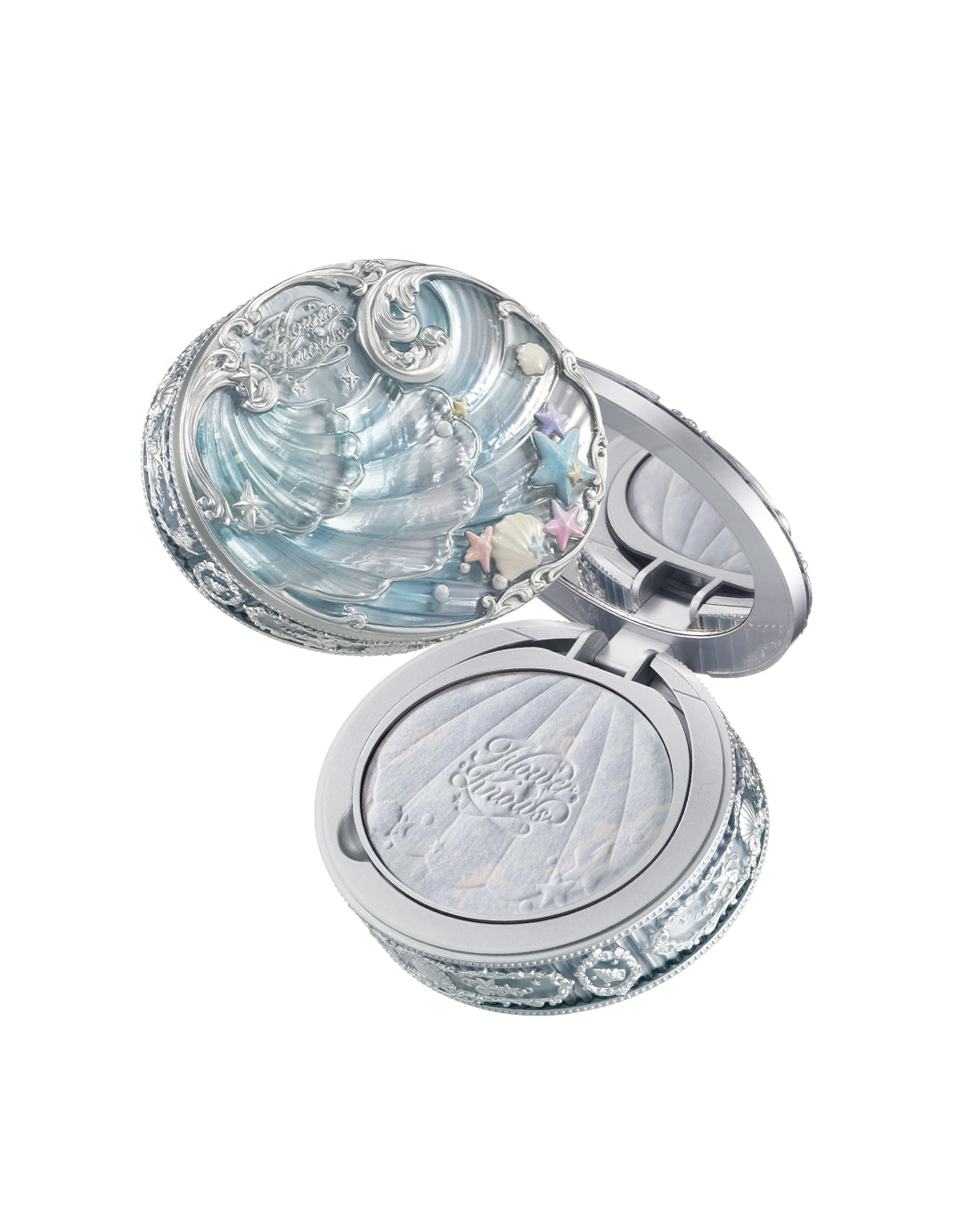
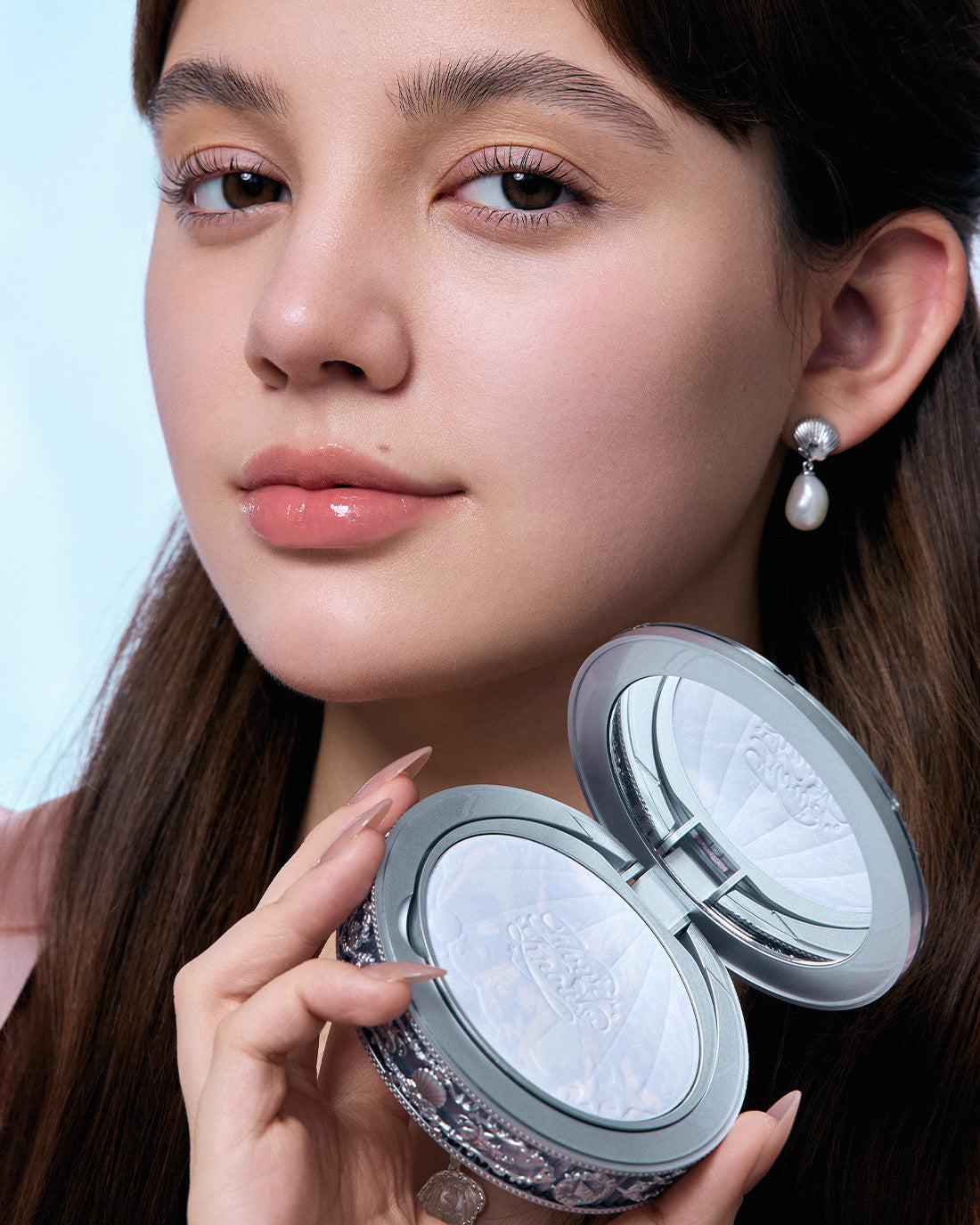 Shell's Jewel Baked PowderShell's Jewel Baked Powder
- Regulärer Preis
-
$35.00 - Regulärer Preis
-
$35.00 - Verkaufspreis
-
$35.00
Schnellansicht
-
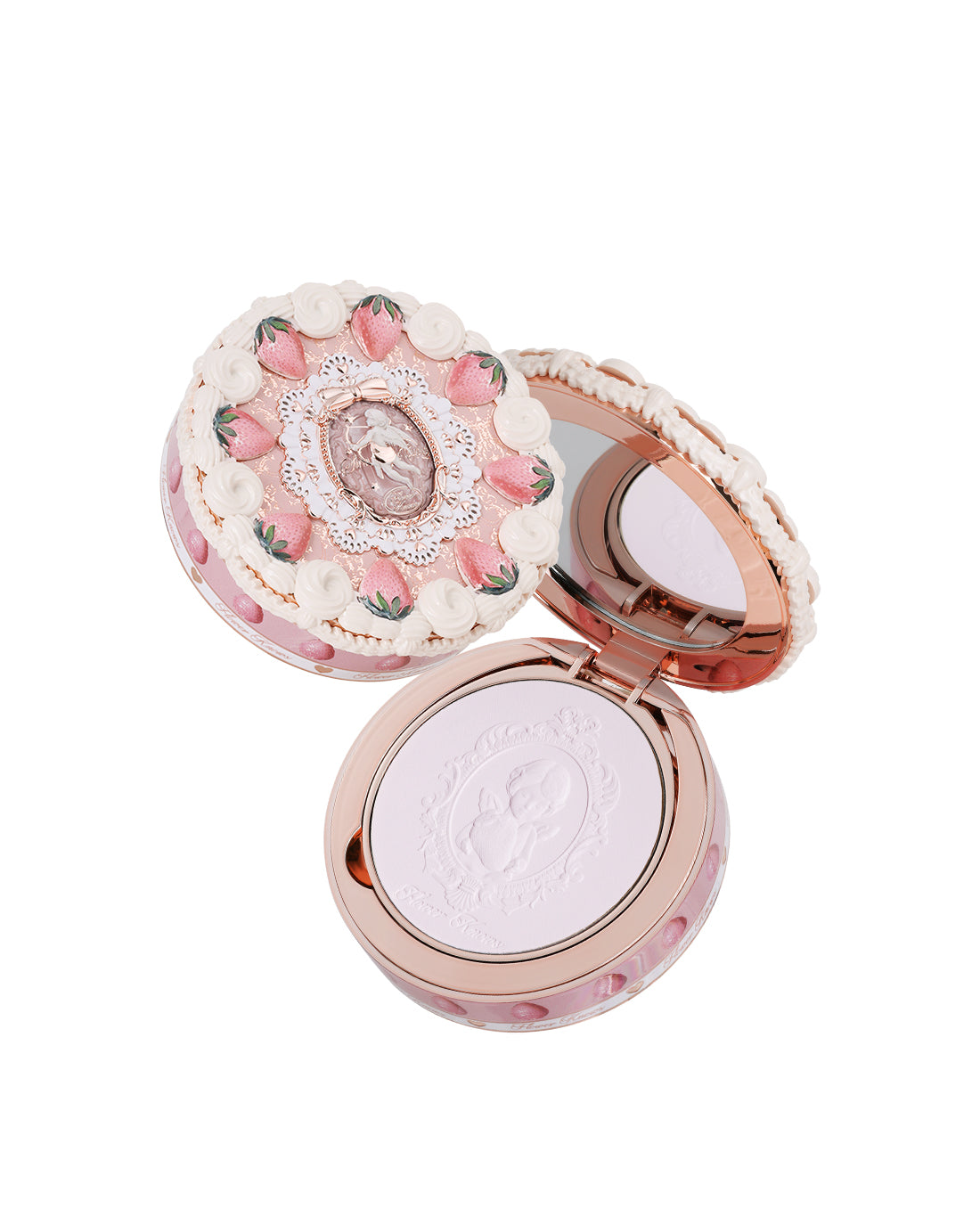
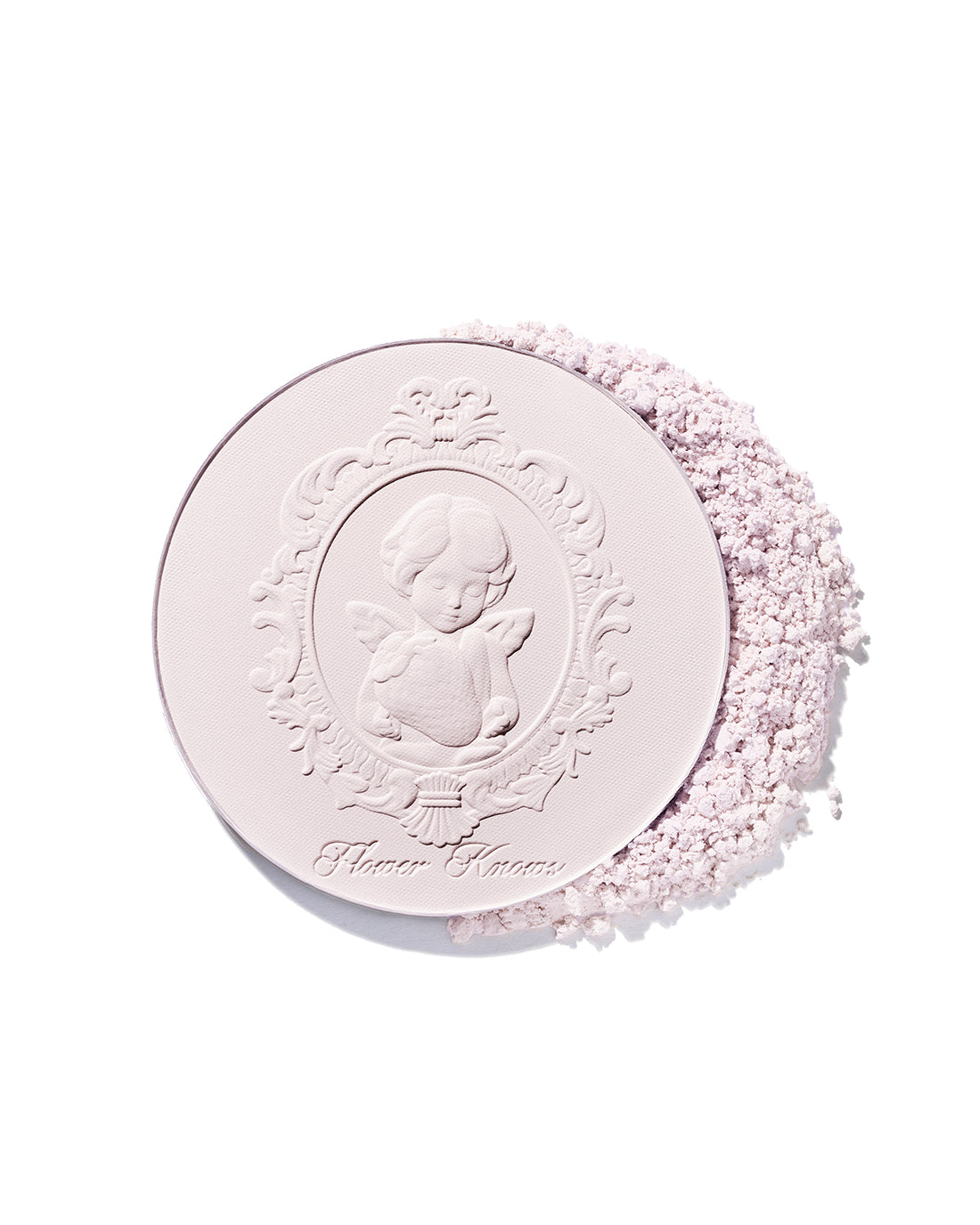 Strawberry Cupid Pressed PowderStrawberry Cupid Pressed Powder
- Regulärer Preis
-
$35.00 - Regulärer Preis
-
$35.00 - Verkaufspreis
-
$35.00
Schnellansicht


Shop By Category


FAQs
What does setting powder do?
Setting powder helps set your foundation and concealer, so your base looks more finished. Depending on the formula, it can also help reduce the appearance of excess shine or soften the look of skin texture.
You don't have to apply it everywhere. If your makeup tends to crease around your nose or look shiny across your forehead, start there and see how your base looks.
What is the difference between setting powder and finishing powder?
Setting powder is generally used after foundation and concealer to help set your base. Finishing powder is usually the final touch, often chosen to refine the look of makeup or create a softer-looking finish.
The terms can overlap, and brands don't always use them in exactly the same way. Check the product description for its intended use, finish, and coverage rather than relying on the name alone.
Loose setting powder vs. pressed powder: which should I choose?
Loose setting powder works well for applying powder across larger areas of the face. It's a good option when you're getting ready at home and want to set your base with a brush or puff.
Pressed powder is compact and easy to carry, making it convenient for touch-ups throughout the day. You can also apply it more precisely to areas where your makeup needs a little attention.
Is face powder the same as setting powder?
Not quite. Face powder is a broad term for powder makeup applied to the face. Setting powder refers more specifically to powder used to set foundation, concealer, or other base products.
Some face powders are designed mainly for setting makeup, while others may offer additional coverage or a different finish. Check the product details to see how each powder is intended to be used.
When should I apply setting powder?
Apply setting powder after your liquid or cream base products, including foundation and concealer. Use a brush or puff to apply a light layer, focusing on the areas where you want your makeup to stay in place.
If your cheeks tend to feel dry but your T-zone gets shiny, try applying powder mainly to your forehead, nose, and chin.
What color setting powder should I use?
Choose a shade based on your desired finish. Translucent powder helps set makeup without adding much color. Pink setting powder adds a fresh, rosy look, while purple setting powder helps counter yellow tones for a brighter-looking complexion. Check the available shades to find your best match.
Can I use setting powder without foundation?
Yes. You can wear powder on its own if you prefer a lighter makeup routine. Depending on the formula, it may help reduce visible shine, give the skin a more finished appearance, or add some coverage.
For a natural look, start with a small amount and build only if needed. Not every setting powder provides the same coverage, so check the product description to see whether it's designed for use over foundation, on bare skin, or both.


