Have you ever noticed how a little color on the cheeks can make the complexion look fresher and more awake? If you are new to cheek makeup, you may be asking, what is blush, what does it do, and which formula should you choose? Blush comes in a wide range of shades, textures, and finishes, including powder, cream, and liquid formulas. Knowing how these types differ can help you choose the right formula, find a flattering shade, and get the finish you want.

What Is Blush?
Blush is a cheek makeup product used to add color back to the complexion and recreate the look of a natural flush. It comes in a wide range of shades and is available in powder, cream, and liquid formulas.
What Does Blush Look Like on the Skin?
On the skin, blush appears as a soft wash of color across the cheeks. The effect can be subtle or more noticeable depending on the shade, pigmentation, and amount applied. Finishes range from velvety matte and soft satin to luminous and dewy. When blended well, the color should fade smoothly into the complexion without harsh edges.
What Does Blush Do?
Blush does more than add color to the cheeks. Depending on the shade and placement, it can make the complexion look fresher, add dimension, and change how the cheeks and face appear.
● Adds healthy-looking color: Blush restores some of the natural color that foundation and concealer can mute, helping the complexion look fresher and less washed out.
● Shapes the appearance of the cheeks: Color placed on the apples creates a softer, rounder effect, while higher placement along the cheekbones can make the face look more lifted.
● Adds dimension: Blush creates subtle color contrast across the face, helping an even base look less flat.
● Balances the makeup look: A blush shade that works with the eye and lip colors can make the overall makeup feel more cohesive.
Blush vs. Bronzer vs. Highlighter: What's the Difference?
Blush, bronzer, and highlighter all add dimension to the face, but they serve different purposes. Blush adds color to the cheeks for a fresh, naturally flushed look. Bronzer adds warmth and can create a sun-kissed effect, while highlighter reflects light to bring attention to areas such as the cheekbones. You can wear them separately or combine them for a more dimensional makeup look.
What Are the Main Types of Blush?
The three most common types of blush are powder, cream, and liquid. They differ mainly in texture, finish, color payoff, and how they are applied.
|
Blush Type |
Texture |
Typical Finish |
Color Payoff |
Common Application Tools |
|
Powder Blush |
Dry, finely milled powder |
Matte, satin, or luminous |
Usually buildable |
Blush brush |
|
Cream Blush |
Soft, emollient cream |
Skin-like, satin, or dewy |
Sheer to richly pigmented |
Fingers, sponge, or brush |
|
Liquid Blush |
Lightweight, fluid formula |
Natural, matte, or dewy |
Often highly pigmented |
Fingers, sponge, or brush |
Powder Blush
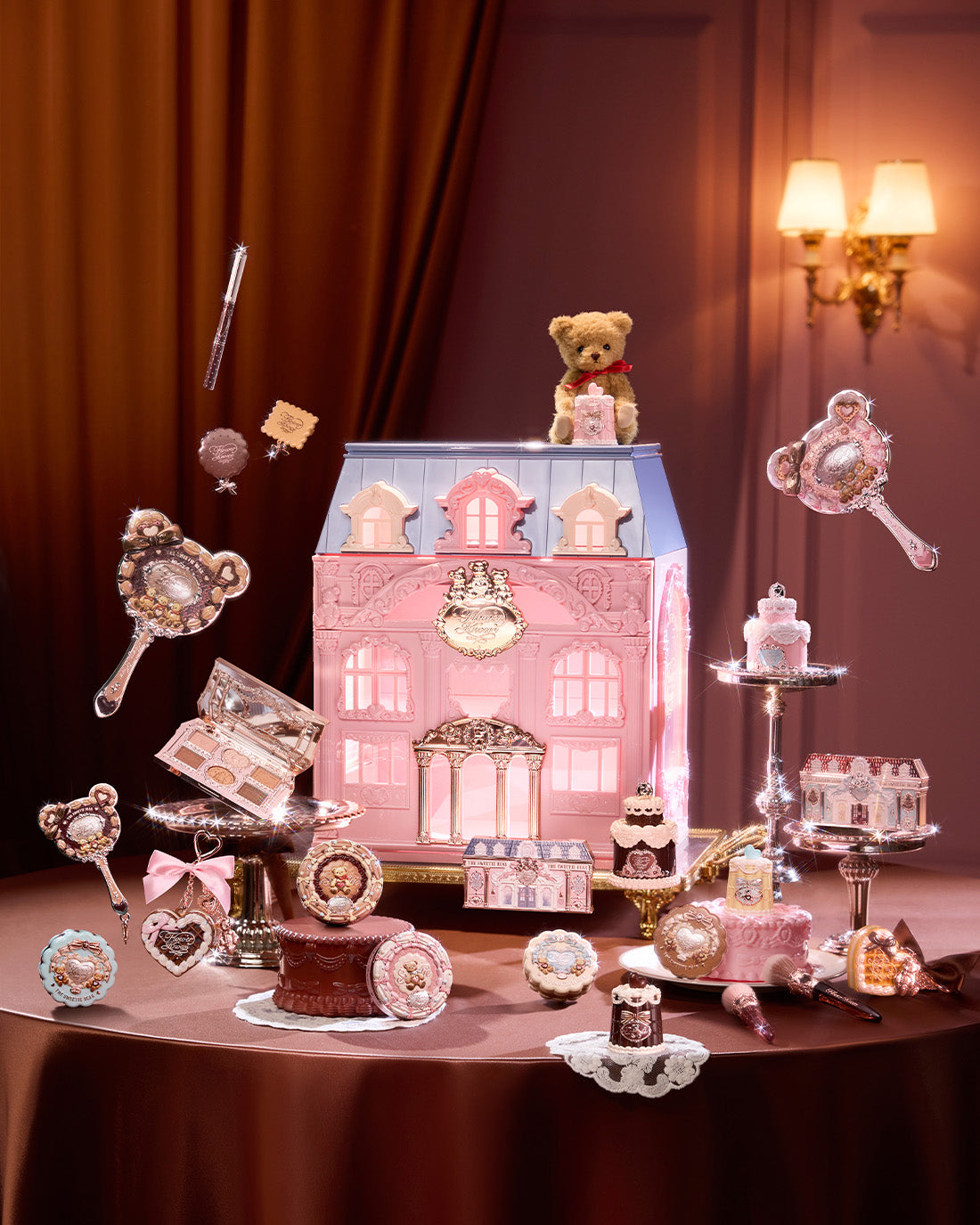
Powder blush usually comes pressed into a compact and is easy to build in light layers. For a softer take on this classic format, Flower Knows Bunny Garden Embossed Blush uses a lightweight, soft-focus powder to create a smooth, skin-like glow. Its Rococo-inspired compact, finished with ornate scrollwork and pearly details, gives the powder blush an equally distinctive look on the vanity.

Cream Blush
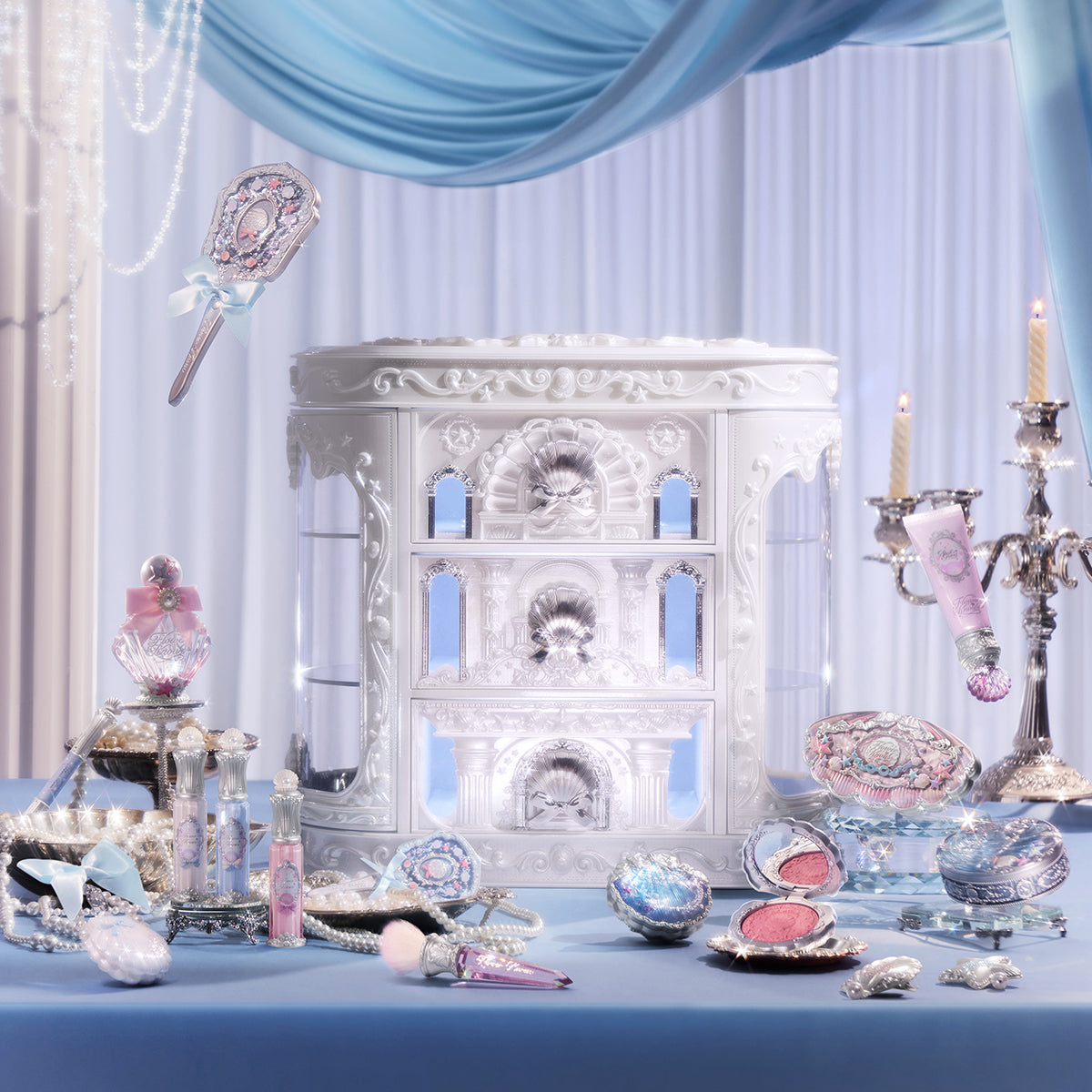
Cream blush has a soft, emollient texture that blends closely with the base for a seamless, skin-like effect. Flower Knows Little Angel Cream Blush adds a balm-to-powder twist: the formula melts into the skin before settling into a smooth finish, with color that can be built from a subtle tint to a more noticeable flush. The compact draws inspiration from medieval rose windows, bringing the ornate Little Angel aesthetic to the design.

Liquid Blush
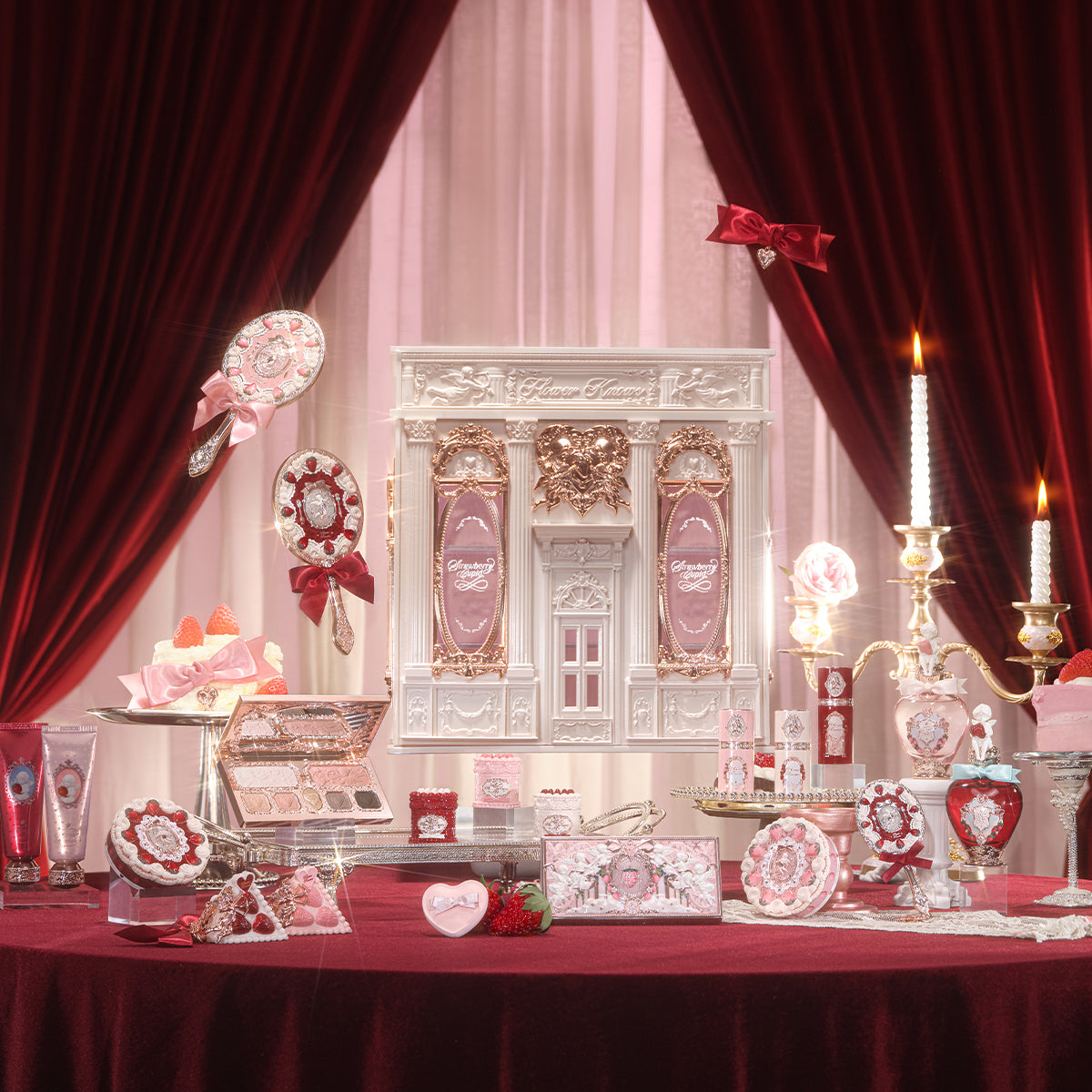
Liquid blush spreads in a thin, lightweight layer and can create anything from a sheer wash of color to a brighter flush. Flower Knows Strawberry Cupid All Day Glow Liquid Blush has a lightweight, milky texture that blends into a soft, second-skin finish. Amino acids and hydrating ingredients help keep the skin feeling smooth and comfortable, while the dewy finish gives the cheeks a fresh, naturally flushed look.

How to Choose the Right Blush
Choosing the right blush mainly comes down to the formula, finish, and shade you prefer. Powder, cream, and liquid blush each create a different feel on the skin, while your skin tone and undertone can help guide your color choice.
Find the Right Blush Formula for Your Skin Type and Finish
Powder, cream, and liquid blush can all work across different skin types, so start with the texture and finish you prefer. Powder blush works well for a soft, diffused or less dewy look, while cream blush creates a smooth, skin-like finish. Liquid blush offers lightweight color that can range from sheer to more vibrant.
Skin type can also guide your choice: oilier skin may prefer powder, while drier skin may enjoy the softer feel of cream or liquid blush.
Choose a Blush Shade for Your Skin Tone and Undertone
Skin tone helps determine how light or deep a blush shade appears, while undertone can guide you toward color families that feel more natural with your complexion.
|
Skin Tone |
Blush Shades to Try |
|
Fair to Light |
Soft pink, peach, light rose |
|
Medium |
Rose, coral, warm pink, mauve |
|
Tan to Deep |
Berry, plum, red, bright pink, deeper warm tones |
As a general starting point, warm undertones often pair well with peach, coral, and warm rose, while cool undertones tend to suit blue-toned pinks, mauves, and berries. Neutral undertones can work with both.
These are starting points rather than fixed rules. For more detail, explore our guide to choosing the best blush shades for your skin tone.
How to Apply Blush
Start with a small amount of blush and build the color gradually. Placement shapes the look, while each formula blends a little differently.
Where to Place Blush
Where blush sits on the cheeks can change the overall effect.
● For a fresh, rounded flush: Apply blush to the apples of the cheeks and blend softly outward. Keeping the color rounded creates a softer, fuller look.
● For a lifted look: Place blush higher on the cheekbones and blend upward toward the temples. This draws the color outward and gives the cheeks a more lifted appearance.
● Avoid placing blush too low or too close to the nose: Keep most of the color on the cheeks and soften the edges so it fades naturally into the complexion.
Placement can also vary with face shape and the look you want. Explore our guide to blush placement for different face shapes for more detailed tips.
How to Apply Powder, Cream, and Liquid Blush
Powder blush works well with light sweeping or buffing motions, while cream and liquid formulas are usually pressed or tapped into the skin. Whatever the formula, start with a small amount and build only where needed.
● Powder blush is easiest to control with a fluffy blush brush. Pick up a small amount, tap off the excess, and sweep it onto the cheeks before lightly buffing the edges for a smooth, diffused finish.
● With cream blush, use your fingertips, a sponge, or a dense brush to press the color into the skin. Gentle tapping motions help the formula blend into the base without disturbing the makeup underneath.
● Liquid blush usually needs even less product to start. Apply one small dot, blend it promptly with your fingers, a sponge, or a brush, and add more only if needed. Quick-setting formulas are easier to manage one cheek at a time, while highly pigmented shades can be tested on the back of the hand first to judge the intensity.
Common Blush Mistakes to Avoid
Even a flattering blush can look patchy or uneven when too much product is applied, the layers do not blend well together, or the edges are left too harsh.
● Applying too much at once: Start with a light layer and build gradually. It is much easier to add more color than to soften an overly intense application.
● Layering cream or liquid blush over too much powder: A heavily powdered base can make cream and liquid formulas harder to blend smoothly. Apply cream or liquid blush before setting the cheeks, or use only a light layer of powder underneath.
● Using the wrong tool or too much pressure: A fluffy brush works well for diffusing powder, while fingers, sponges, and denser brushes give more control with cream and liquid formulas. Press or tap rather than rubbing aggressively into the base.
● Placing the color too low for the look you want: If you are aiming for a lifted effect, keep most of the blush higher on the cheekbones rather than concentrating it low on the cheeks or close to the nose.
● Leaving harsh edges: Blend the outer edges until the blush fades smoothly into the complexion rather than stopping in a visible line.
Conclusion
If you started by wondering “what is blush?”, the answer goes beyond simply adding color to the cheeks. The right formula, shade, and placement can change the finish and overall effect, whether you prefer something soft, skin-like, or dewy. Flower Knows offers powder, cream, and liquid blushes across a range of textures and finishes, making it easy to explore different shades and find the flush that suits your look.
FAQs
Can You Wear Blush Without Foundation?
Yes. Blush can be applied directly to bare, moisturized skin for a fresh, natural-looking flush. Cream and liquid formulas work especially well this way because they can be tapped directly into the complexion with your fingers, a sponge, or a brush. If you want extra grip or longer wear, apply a lightweight primer first.
Do You Put Blush On Before or After Foundation?
Blush is generally applied after foundation and concealer so the color sits on top of an even base. Cream and liquid blushes usually blend best before setting powder, while powder blush can be applied over a lightly set base. If the foundation still feels tacky, a small amount of setting powder can help powder blush blend more evenly.
What Type of Blush Is Best for Beginners?
Buildable powder and cream blushes are both beginner-friendly. Powder blush is easy to apply in light layers with a brush, while cream blush can be tapped and blended with fingers, a sponge, or a brush. Highly pigmented or quick-setting liquid blush may take a little more control, so start with a very small amount and build gradually.